
For a certain generation , America’s Next Top Model wasn’t just a show, it was a weekly pilgrimage. Long before Instagram filters and TikTok “get ready with me” videos, Tyra Banks was the undisputed architect of viral culture. She gave us “smize,” she gave us the “makeover meltdown,” and she gave us the most circulated meme in digital history: “I was rooting for you! We were all rooting for you!”
But as Netflix’s new three-part docuseries, Reality Check: Inside America’s Next Top Model, makes painfully clear, the “smize” was often a mask for something much darker. While the show drew over 100 million viewers globally at its peak and ran for 24 “cycles” (seasons), the cost of that success was paid in the mental health and dignity of young women who thought they were buying a ticket to the high-fashion elite.
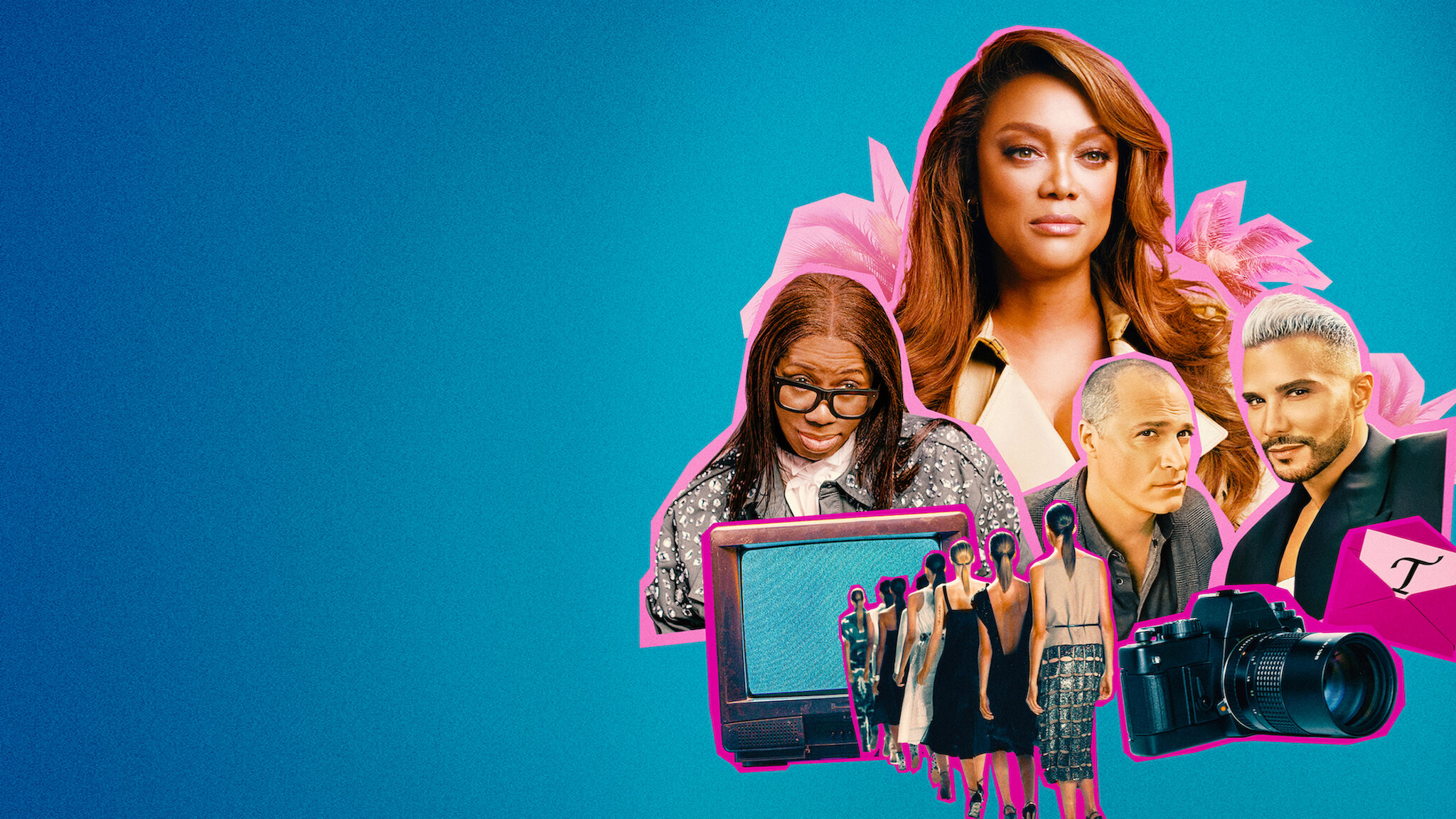
The series boasts a staggering “who’s who” of the Top Model universe. From Tyra herself and catwalk coach Miss J. Alexander to the “noted photographer” Nigel Barker and executive producer Ken Mok, the gang is all here to reflect.
However, in true Netflix fashion, the documentary feels like it’s been put through a “TikTok-brain” filter. It’s a three-hour marathon that could have been a sharp 90-minute film. The frenetic editing and “zippy” transitions often clash with the gravity of the stories being told, making the exploration feel ironically a little skin deep.
The documentary shines a harsh light on the “standard” industry practices of the era that now feel like humiliation rituals.
Despite Banks’ branding as a champion of diversity, the show frequently upheld a brutal status quo. Giselle, an African-Latina contestant, recalls being ridiculed on camera for having a “wide ass” a critique that she admits haunts her self-image decades later.
From pressuring contestants to close gaps in their teeth to asking a woman whose mother had been shot to pose with a simulated bullet wound, the “creativity” often bordered on the sadistic.
The show’s penchant for “blackface” or “ethnicity-swapping” photoshoots once defended as artistic is laid bare as the height of 00s tastelessness.
The most harrowing segment of the docuseries involves Shandi Sullivan and the infamous trip to Milan. The documentary revisits the footage of a drunken night where Shandi was filmed having sex while seemingly too intoxicated to consent.
Instead of an intervention, the production team leaned in. They provided the phone for her to call her boyfriend solely on the condition that they could record the heartbreak. The episode was aired under the title “The Girl Who Cheated,” while Tyra held court on a terrace discussing “primal desires.” It’s a segment that reframes a “memorable TV moment” into a chilling case study of reality TV exploitation.
Reality Check is a necessary, if uneven, watch. It confirms what many of us felt at the time but didn’t have the language to voice: Top Model wasn’t a school for models; it was a factory for trauma.
While the former contestants appear healthier and more clear-eyed than ever, the documentary fails to fully dismantle the idea that this was just “a product of its time.” Cruelty isn’t a vintage trend it was a choice made for ratings, and the bill has finally come due.
Leave a Reply